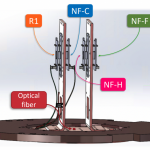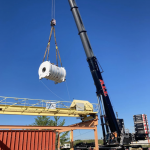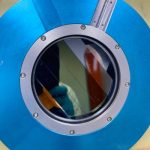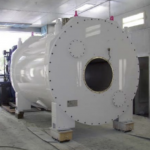
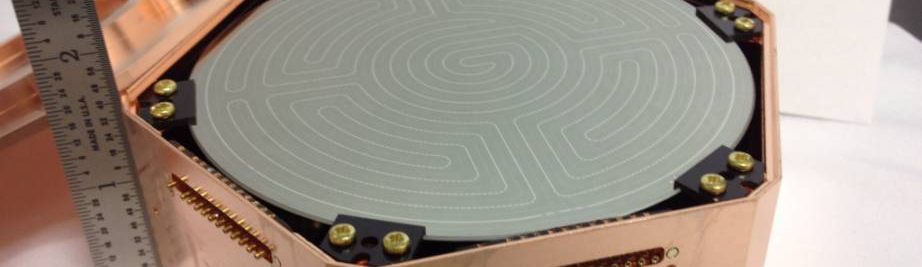
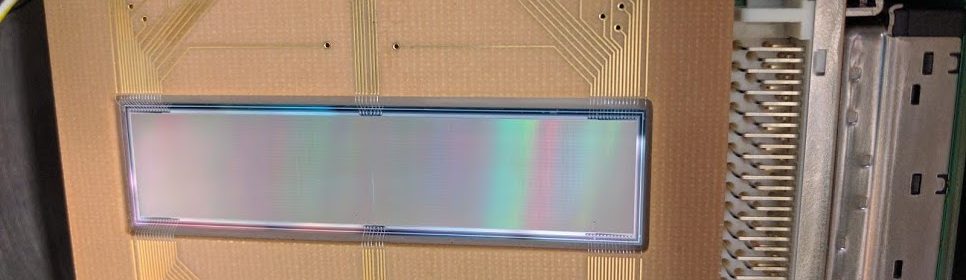
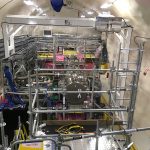
The SuperCDMS SNOLAB dark matter experiment completed installation and initial cool down underground at SNOLAB in Sudbury, Canada. SuperCDMS SNOLAB is now preparing to start commissioning and data taking, with the target of detecting light dark matter candidates. Fermilab led the design and fabrication of the SuperCDMS SNOLAB cryogenic system, the warm electronics and associated… More »
dark matter
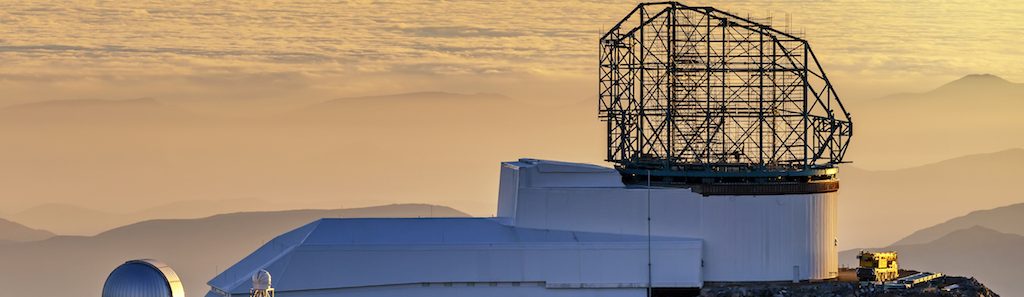
NSF–DOE Rubin Observatory has issued its first scientific alerts, marking a historic milestone in astrophysics. Expected to increase to seven million alerts per night, these first alerts start a new era of dynamic, real-time observation of the night sky. Fermilab helped to process early Rubin data into a set of template reference images that could… More »
The Fermilab CPC is partnering with Adler Planetarium to host its 7th annual Dark Matter Day event! This year Dark Matter Day will be held at Adler Planetarium on Wednesday, November 2nd from 11AM-3PM. More details can be found on Adler’s event page. Videos from some past Dark Matter Day events can be found here:… More »
Fermilab employees, users and affiliates are invited to take part in an exciting moment for astronomy: the First Look livestream from the Vera C. Rubin Observatory — June 23, 2025 at 10 a.m. US CDT. Watch from your own device or join an in-person watch party in the WH8XO Hornet’s Nest (capacity: 60 people). This is a unique opportunity… More »
Fermilab CPC Scientist Alex Drlica-Wagner was selected as a 2024 Fellow of the American Physical Society (APS) for “For critical contributions to observational cosmology in DES, DELVE, and LSST, including groundbreaking work in dark matter science with these surveys and leading the implementation of ultra-low noise skipper-CCD in astronomical instrumentation, and for mentoring the next… More »
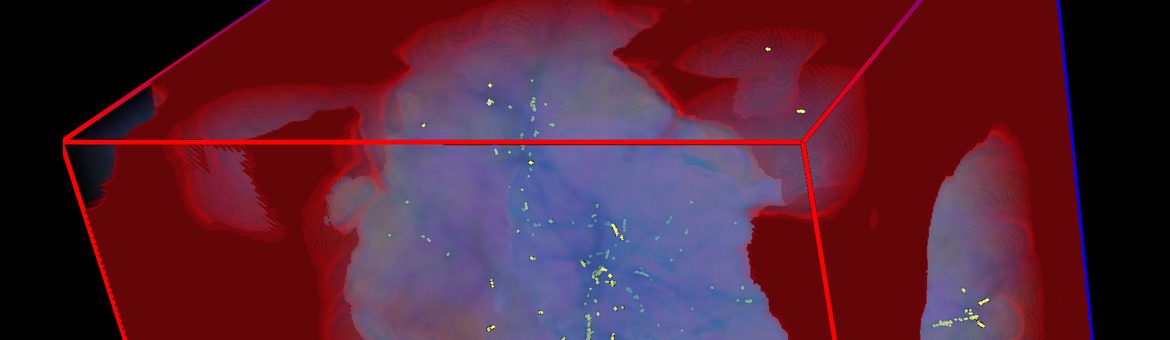
A new paper by the SuperCDMS collaboration places improved constraints on dark matter with a small array of cryogenic detectors (named HVeV). These detectors were operated in the NEXUS underground test stand, which is situated 100 meters underground in the Fermilab NuMI hall. The data revealed a background that was time-correlated between detectors (shown… More »
The 9.4T MRI magnet that is planned to be used by the ADMX-EFR experiment was delivered from the University of Illinois Chicago and lowered into the hall at PW8. The safe and successful operation was a combined effort of the particle physics directorate; environment, safety and health division; security and emergency management division. The magnet may also… More »
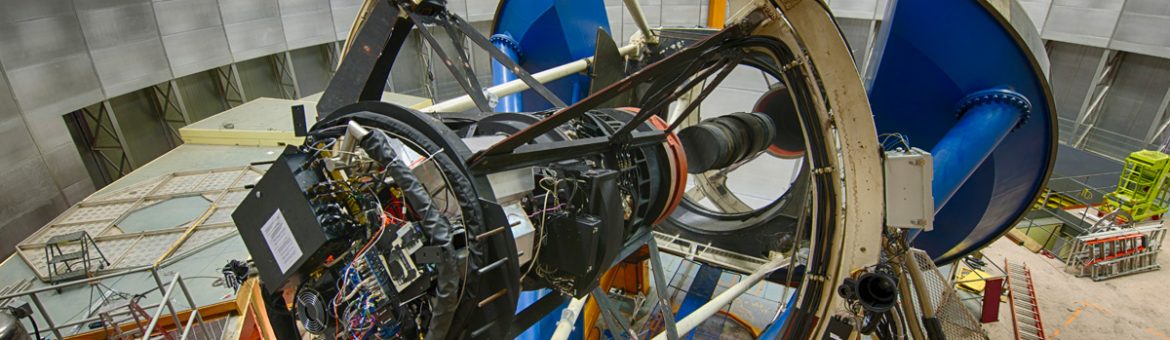
A team led by the Fermilab CCD Group performed the first on-sky demonstration using Skipper CCDs on the SOAR Telescope in Chile. This demonstration helps retire perceived risks for using this technology in future cosmology experiments recommended by the P5 Report such as DESI-II and Spec-S5. This project was a collaborative effort from Fermilab, UChicago,… More »